A Real-World Upgrade for Safer, Smoother Travel Trailer Towing
There’s a moment many RV owners know all too well. You hitch up your travel trailer, step back, and immediately notice it—the rear of your truck squats, the front lifts slightly, and suddenly your confident tow vehicle doesn’t feel quite as capable as it did a few minutes earlier.
That was exactly our experience. Our truck was fully capable of towing our travel trailer, but once loaded for a family camping trip—with gear, supplies, bikes, and everything else that comes with RV life—we noticed increased rear-end sag, less confident handling, and a less comfortable ride. While our weight distribution hitch significantly reduced rear-end squat, we still felt there was room for improvement.
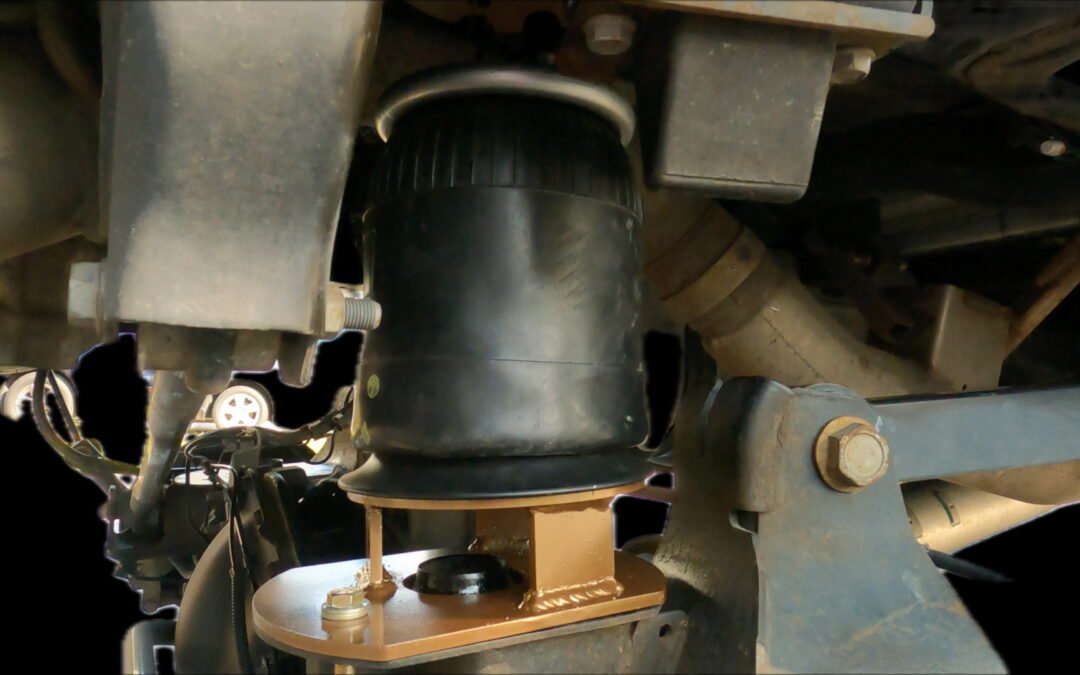
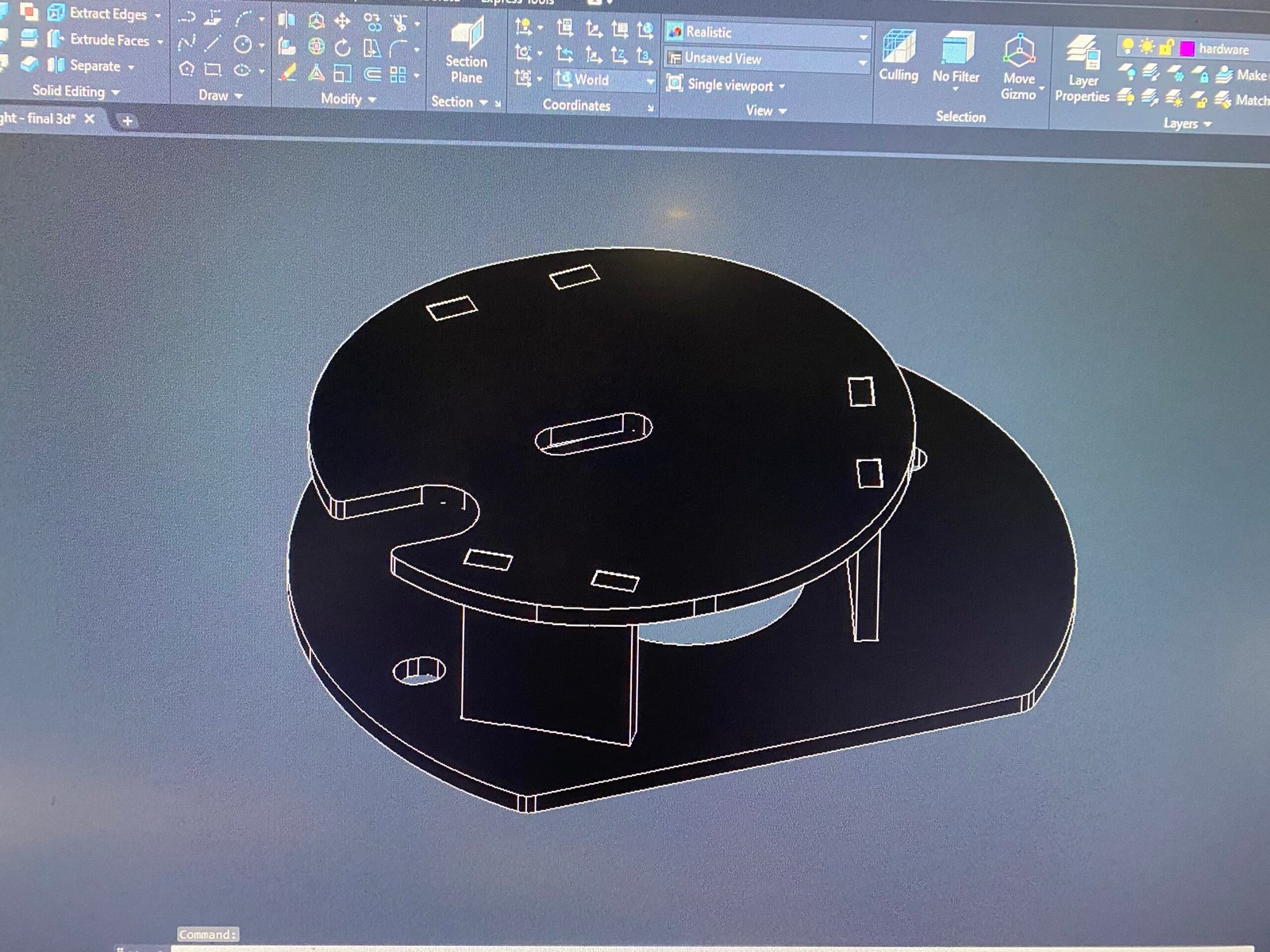
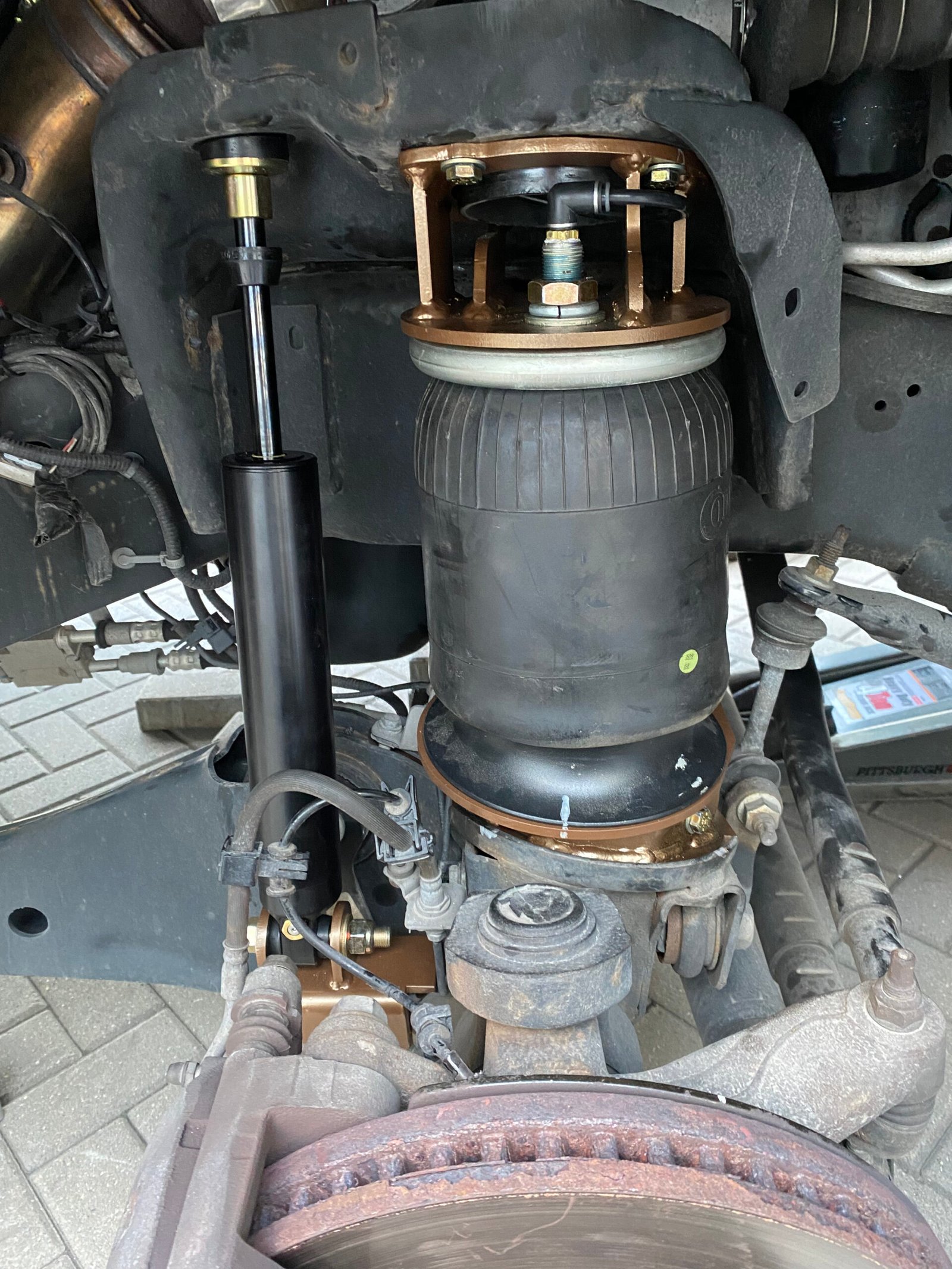
That's when we knew we needed an air suspension system. But not any air suspension. After researching available options, we couldn't find a system that matched exactly what we wanted for our Ram 2500. Rather than compromising, we decided to design and fabricate our own suspension brackets and pair them with commercial-grade air bags. It was quite a challenge, I won't lie! The project took countless hours of design, fabrication, testing, and refinement, but the result was a suspension system built specifically for our towing needs. Now we can explore this beautiful country with peace of mind while traveling with our loved ones.
What Is Full Air Suspension?
An air suspension is a type of active suspension system for cars, trucks, buses, and other vehicles. It's often called pneumatic suspension or air ride, and is designed to replace your truck's factory coil-spring or leaf-spring suspension. Air suspension systems use pressurized air to support the vehicle and automatically adapt to changes in load, road conditions, and ride height. Its primary job is simple: help maintain proper ride height when carrying heavy loads, such as trailer tongue weight. Note: There is also the option of adding what are often called "helper bags" to your truck's existing suspension—not replacing it, but this is a different topic and not relevant to full air suspension benefits.
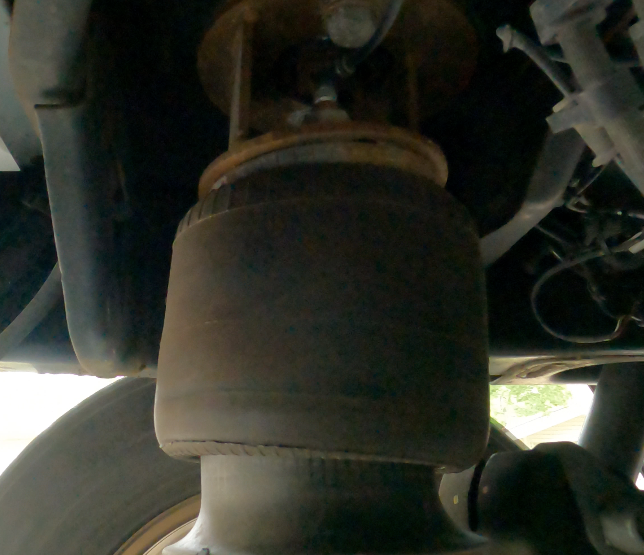
Why We Decided To Upgrade Our Truck's Suspension?
By upgrading our front and rear suspension to air ride, and pairing them with top of the line Air Lift Performance 3H air management, the new system helps:
- Eliminated rear-end squat
- Restored a level towing stance Improved steering feel
- Enhanced braking stability
- Reduced body roll and bouncing
- Improved ride comfort
For us, the difference was noticeable immediately, and the Air Lift Performance 3H system automatically adjusts ride height and allows us to control suspension pressure directly from the cab.
What Changed After Installing Air Suspension
Before installing air suspension, our truck handled the trailer well, but we could feel the extra load—especially on longer trips or rougher roads. After installation, the improvements were clear:
A More Level Truck and Trailer
A level tow vehicle is more than just visually appealing—it’s important for proper weight distribution and trailer handling. Air suspension helped bring our truck back to its ideal ride height, even with the trailer fully loaded.
Improved Ride Quality
Road imperfections, bridge joints, and uneven pavement became far less noticeable. The ride felt smoother, more controlled, and less fatiguing on long travel days.
Better Stability and Control
Crosswinds, passing trucks, and highway expansion joints felt less dramatic. Our towing setup became more composed and predictable.
Increased Confidence Behind the Wheel
Perhaps the biggest improvement was peace of mind. Towing simply felt more stable, controlled, and enjoyable.
What Air Suspension Does, and What It Doesn’t Do
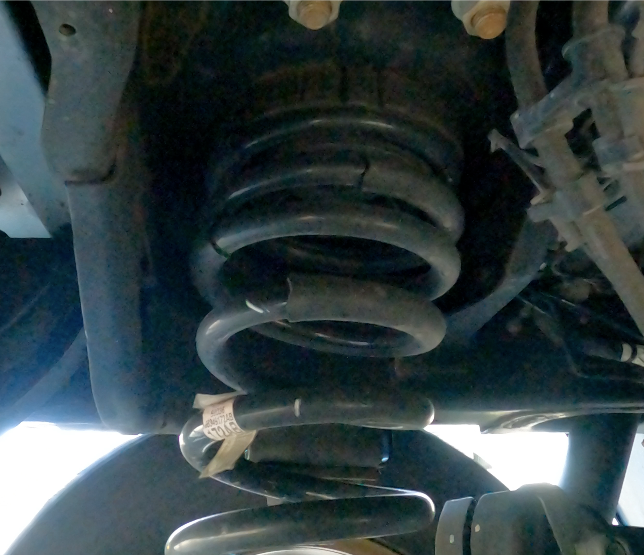
It’s important to understand that a full air suspension system replaces your factory coil springs rather than acting as an add-on to them.
Note: Some air suspension systems are designed to work alongside factory leaf springs, but those systems differ from a true full air suspension conversion.
While an air suspension can significantly improve load-carrying performance, ride quality, and towing stability, it does not change the manufacturer's official payload or towing ratings. What it can do is help your truck manage heavy loads more effectively. By replacing the factory coil springs with commercial-grade air bags, our Ram 2500 maintains proper ride height, improved suspension geometry, and a more controlled ride when towing.
Although the official ratings remain unchanged, we found that the truck handled trailer tongue weight and cargo far more confidently after the conversion. Think of it as optimizing your truck's suspension performance within its designed limits.
Air Suspension and Weight Distribution Hitch: A Perfect Combination
One common misconception is that air bags can replace a weight distribution hitch. They cannot.
A weight distribution hitch transfers weight from the rear axle to the front axle of the truck and the trailer axles, improving steering, braking, and overall balance. Air suspension, on the other hand, supports the rear suspension and helps maintain ride height. These two systems work together—not against each other.
Because our truck is properly matched to our 7,600-pound travel trailer and now rides on a full air suspension system, we found that we were comfortable towing without a weight distribution hitch. Your results may vary depending on truck, trailer, tongue weight, and manufacturer recommendations.
Always make sure your truck and travel trailer are properly matched based on GVWR, tongue weight, payload capacity, and manufacturer recommendations, to create a towing experience that is safer, smoother, and more controlled.
Is Air Suspension Worth It for RV Towing?
For us, absolutely.
If your truck squats under trailer tongue weight, feels unsettled on rough roads, or you simply want a more comfortable and controlled towing experience, air suspension can be one of the best upgrades you make. It will dramatically improve how your truck handles heavy loads while providing a smoother, more controlled towing experience. And when you spend countless hours towing your home on wheels across the country, that added comfort and confidence is worth every mile.
How Much Does Air Suspension Cost?
Depending on the vehicle, components, and level of customization, a complete front-and-rear air suspension system can range from several thousand dollars to well over $20,000 for high-end custom builds. For many RV owners, rear air suspension can be one of the most beneficial towing upgrades available. Our air suspension conversion replaces the factory rear coil springs with commercial-grade air bags at costs as low as $900. Budget an additional $500–$1200 for professional installation, or $200-$300 for installation parts (hoses, manual fill-up port, etc.) and plan a full day/weekend if you're doing it yourself.
Final Thoughts
Every towing setup is different, but one thing is universal: confidence matters.
Replacing our truck's factory coil springs with an air suspension system transformed our towing experience. It helped level our truck, improved ride quality, and made every trip more comfortable and controlled. For anyone serious about safe and enjoyable RV travel, it’s an upgrade well worth considering.
If you’re researching towing upgrades for your travel trailer, air suspension may be exactly what your setup needs.
If you're interested in learning more about the suspension components we designed for our Ram 2500, or you're considering a similar upgrade for your own truck, you can explore our products and suspension solutions at Adventure RVing's online shop.

Have you added air suspension to your tow vehicle?
We'd love to hear about your experience in the comments below. And if you’re interested in more RV towing tips, upgrades, and real-world camping adventures, be sure to follow along with us at Adventure RVing.