
Complete RV Solar Panel Setup Guide for Boondocking, Dispersed Camping & Harvest Hosts
There’s a moment every RV traveler eventually experiences… You find the perfect spot — quiet, scenic, far from crowds — and then reality hits: No hookups. No power. No way to stay long.
That used to be us.
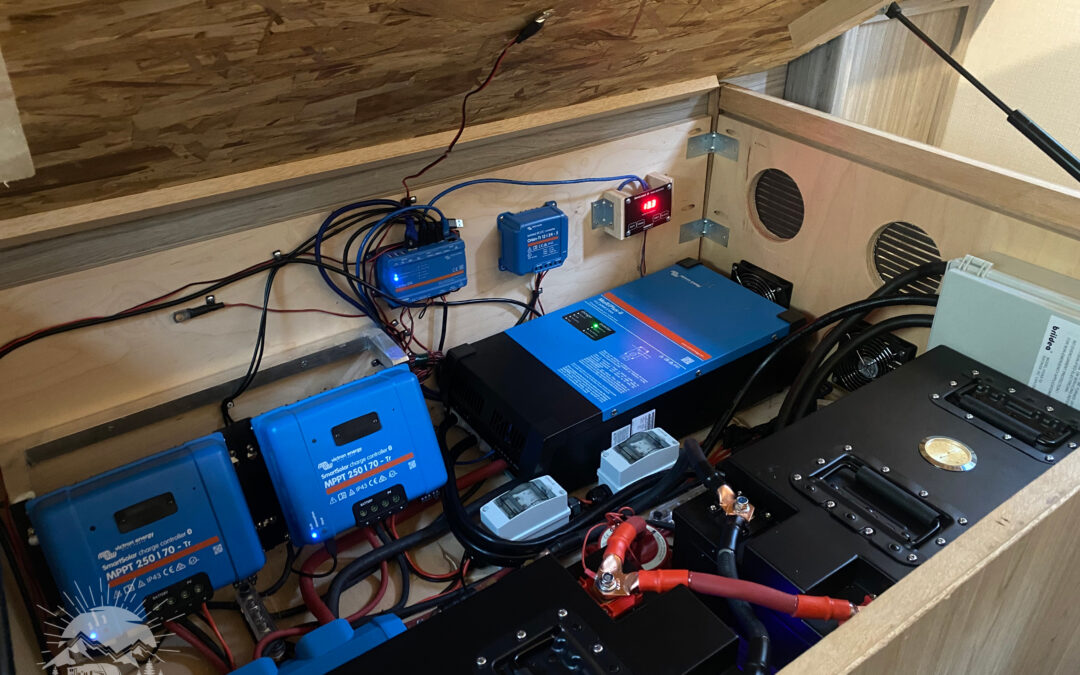
We were constantly planning our trips around campsites with electricity, adjusting routes, and sometimes passing on incredible locations just because we needed power. But everything changed when we decided to upgrade our travel trailer with solar panels, lithium batteries, an inverter, and a backup generator.
And honestly?
It completely transformed how — and where — we travel.
Why We Made the Costly Upgrades?
Campground prices have risen to the point where many now rival quality hotel rates. Besides that, you would need to reserve sites many weeks, if not months, in advance. We wanted to be more spontaneous, stay longer, go farther, and rely less on crowded campgrounds. But we kept running into one problem:
Our power limitations were dictating where—and how—we could travel.
So we decided to build a system that would support that lifestyle of
- Quiet mornings in the middle of nowhere
- Sunset views without neighbors
- Unique overnight stays at Harvest Hosts
- True off-grid experiences
Why Every RV Owner Is Switching to Solar
If you’ve searched:
- RV solar setup for beginners
- Best solar system for travel trailer
- How to boondock with solar
- RV lithium battery upgrade worth it
You’re not alone.
More RVers are moving toward off-grid camping, and here’s why:
✔ Campgrounds are crowded and pricey
✔ Hookups limit your travel options
✔ Boondocking = better views + more privacy
✔ Solar gives you independence👉 And once you experience it… it’s hard to go back.
If you're thinking about making the switch — do it with intention. Build a system that fits your travel style. Because once you stop chasing power…You can finally start chasing experiences.
Our Travel Trailer Solar Setup
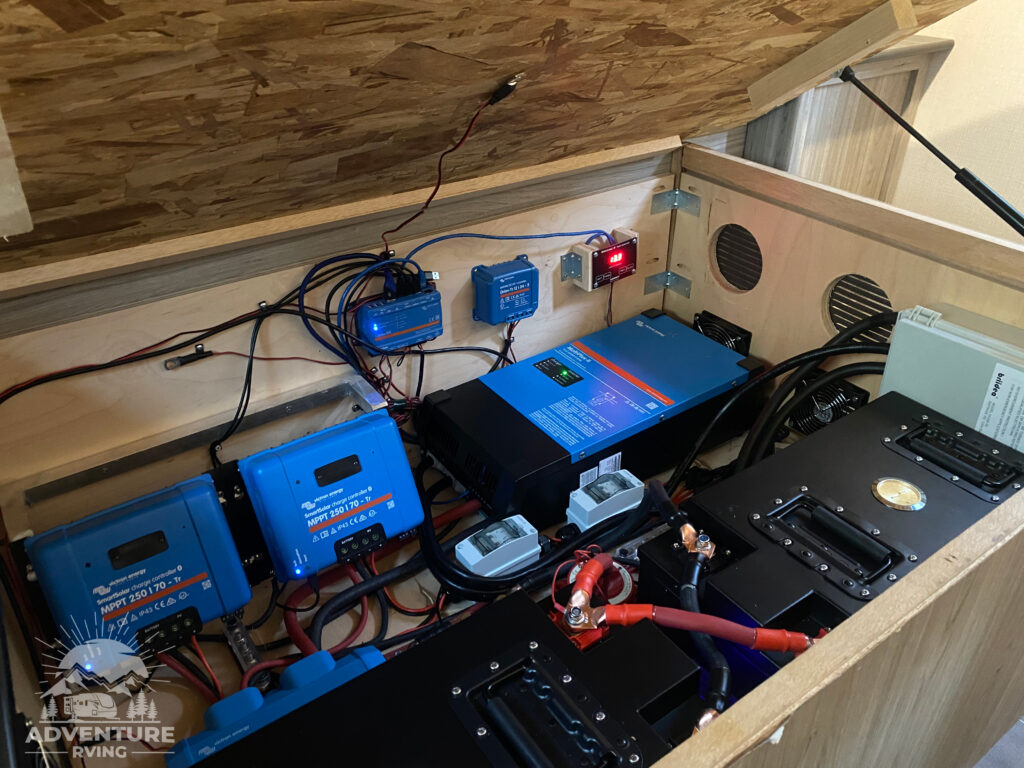
We intentionally invested in higher-quality components to build a system that’s reliable, efficient, and flexible.
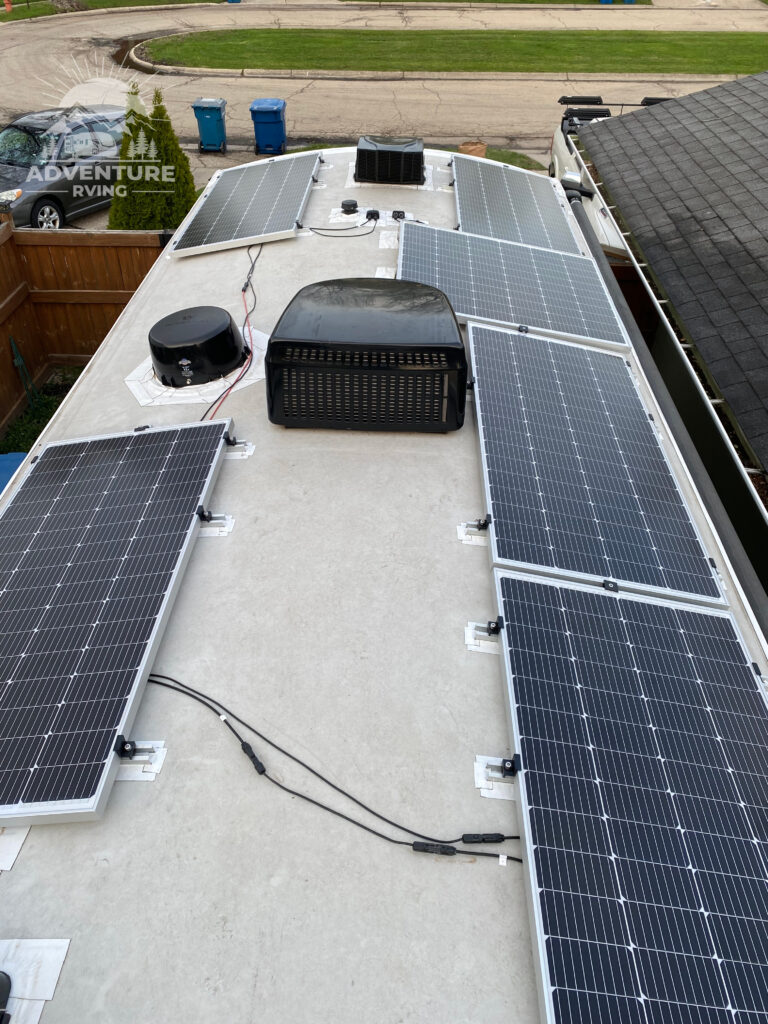
- ☀️ Solar Panels – Our trailer came from the factory with a 200W solar panel and we were able to add additional 1000W of solar panels. With 1200 watts of solar, we harvest enough energy to keep our batteries charged on sunny days. Ideally, your solar array should provide roughly twice as many watts as your battery bank has amp-hours, allowing for faster and more efficient recharging.
- Our Solar Panels: https://amzn.to/49k1cHV
- 🔋 Lithium Batteries – We replaced our factory lead-acid battery with two 460AH lithium batteries. Now we can store enough energy for many days, nights and cloudy days. Our 920Ah battery bank can power our air conditioner for approximately 6.5 to 7 hours, even without solar input.
- Our Batteries: https://amzn.to/4ebCU6m
- ⚡ Inverter – A very important part of the system, it lets us run standard 120V appliances, including A/C.
- Our Inverter: https://amzn.to/4cT3ZZQ
- 🔌 Solar Charge Controller - Regulates power coming from panels to batteries (critical for system safety & efficiency). A high-quality charge controller is essential for harvesting solar energy efficiently.
- Our Charge Controller: https://amzn.to/4ulAJ56
- ⛽ Generator (Backup) – We have designed this system with peace of mind, even when weather doesn’t cooperate.
- Our Generator: https://www.harborfreight.com/2000-watt-super-quiet-inverter-generator-with-co-secure-technology-49-state-compliant-71343.html
This combination gave us something we never had before: Energy independence.
How Much RV Solar Equipment & Installation Cost?
The first question most RVers ask when considering a solar upgrade is simple: How much does it cost? The answer is: it all depends. Including SeeLevel tank sensors, smart plugs, an A/C soft start, and several other upgrades, our complete system cost approximately $6,000. I did installation myself, so these were the only costs associated with this improvement. However, if you don't feel comfortable enough to take on the task, please reach out to RV specialists to install it for you-it's all about your and your family safety.
What Changed Immediately
The first trip after installation felt… different. We weren’t searching for hookups anymore.
We were searching for experiences. Our shakedown trip to Devil's Lake State Campground (Wisconsin) was a huge success, aside from one blown fuse, and we knew at that moment that instead of crowded campgrounds, we’d start camping:
- In national forests
- On BLM land
- Off scenic backroads
- Harvest Hosts
No neighbors. No noise. Just nature. And the best part? We could stay comfortably for days.
How This Setup Changed Our RV Lifestyle
1. Dispersed Camping Without Limits
Before solar:
- 1–2 nights max
- Constant power monitoring
- Stress about battery levels
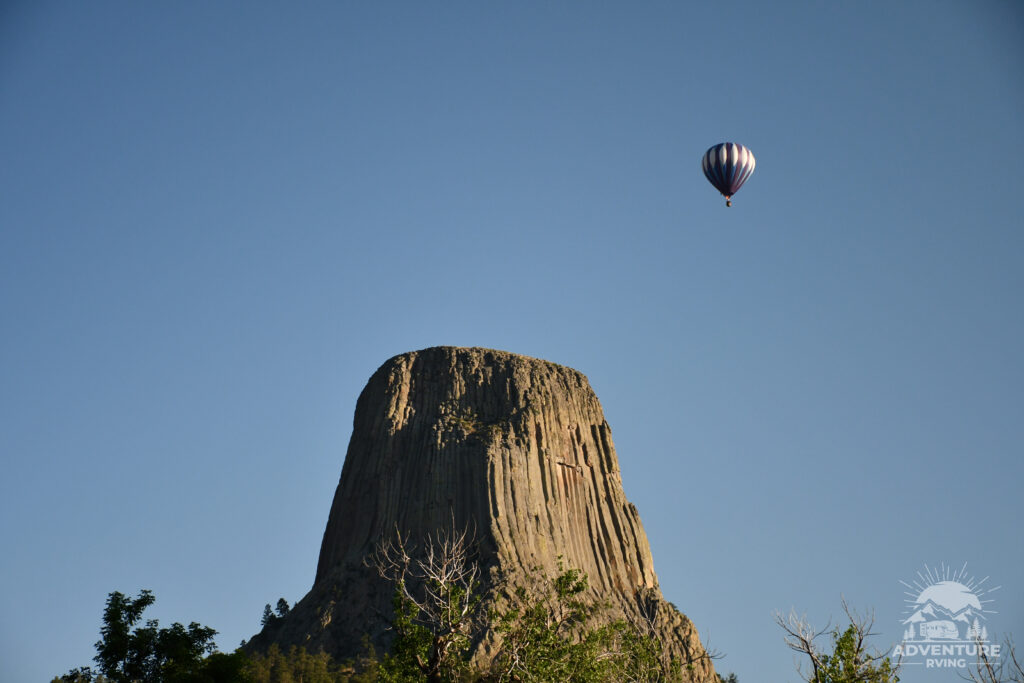
For more info about Devil's Tower National Monument, please visit: https://www.nps.gov/deto/index.htm
Now:
- Stay multiple days off-grid
- Camp in remote, scenic locations
This alone made the upgrade worth it.
2. Harvest Hosts Became a Premium Experience
With Harvest Hosts, you stay at:
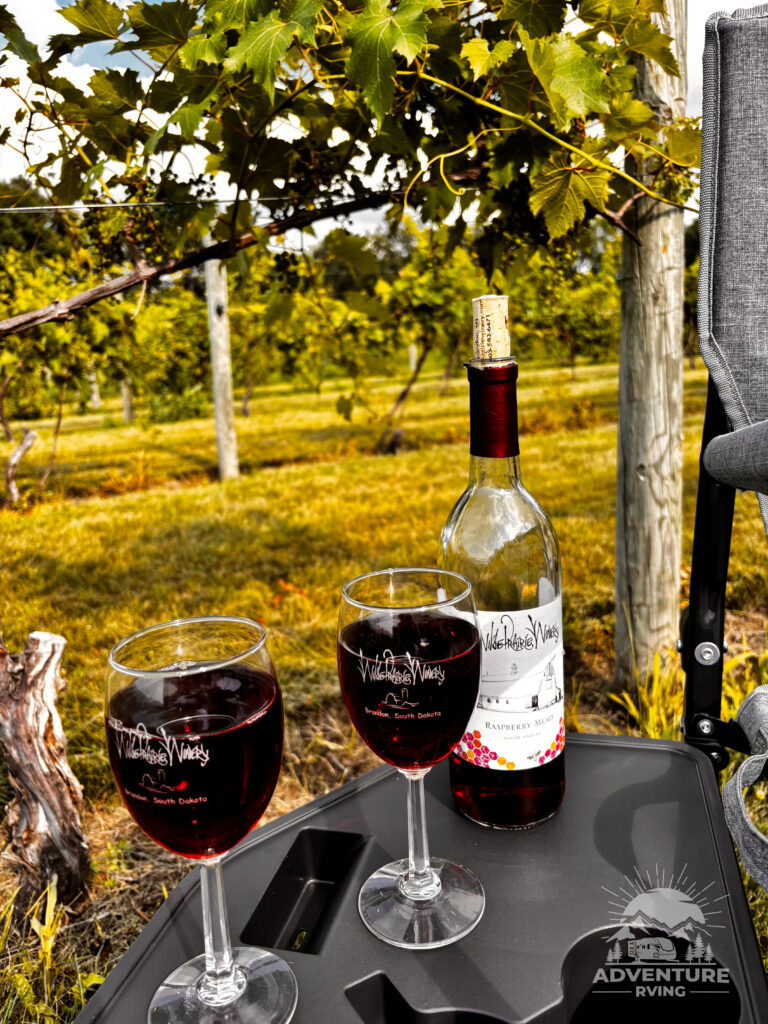
- Wineries 🍷
- Farms 🌾
- Breweries 🍺
Solar gave us the confidence to finally start using Harvest Hosts the way it was meant to be enjoyed.
For more info about this Harvest Host, please visit: https://www.wildprairiewinery.com
3. True Boondocking Comfort
Boondocking used to mean sacrificing comfort.
Now we can:
- Run lights all night
- Charge all our gear
- Make coffee in the morning
- Watch movies at night
👉 It finally feels like home… anywhere
The Real Game-Changer: Freedom
This upgrade wasn’t just about electricity. It was about removing limits. We no longer ask: “Does this place have hookups?”
Now we ask: “Does this place look incredible?”
And that one shift has taken us to places we would have never experienced before.
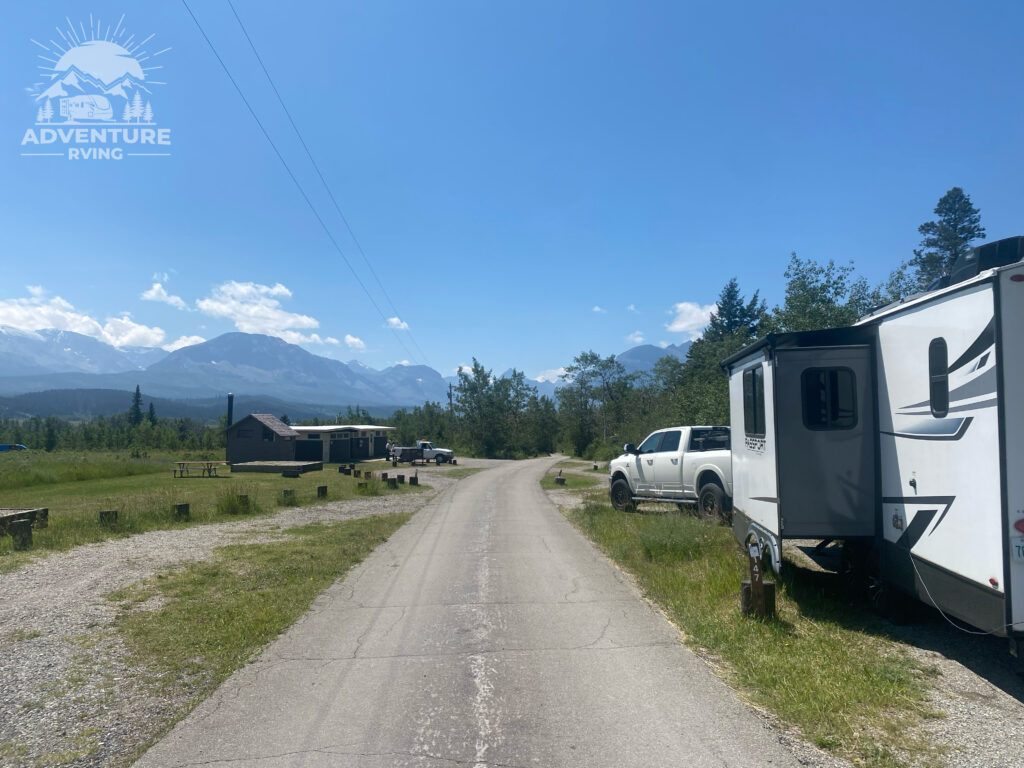
For more info about St. Mary's Campground, please visit: https://www.recreation.gov/camping/campgrounds/232492
Was It Worth It?
Yes — but only if you actually use it. If you mostly stay in full-hookup campgrounds, this setup might be overkill.
But if you:
- Love off-grid camping
- Want flexibility in your travels
- Enjoy unique stays like Harvest Hosts
- Prefer nature over crowded RV parks
Then it’s one of the best upgrades you can make
Mistakes to Avoid When Installing RV Solar
If you’re planning your own setup, learn from us:
❌ Going too small on battery capacity
👉 You’ll outgrow it FAST
❌ Not using lithium batteries
👉 Heavier, less efficient alternatives aren’t worth it long-term
❌ Not maximizing roof solar space
👉 More panels = less generator use
❌ Skipping a backup generator
👉 Weather is unpredictable — always have a backup
What We’d Do Differently
Being honest, here are a few things we learned and we would do differently:
- Mount as much solar as your roof allows
- Upgrade our system a couple of years earlier
Because once you taste freedom…You’ll want more of it.
Final Thoughts
Upgrading our RV with solar, batteries, and an inverter didn’t just improve our setup…
It redefined our entire travel style.
We went from:
🚐 Planning around campgrounds
To:
🌄 Planning around adventure
And that’s exactly why we started this journey in the first place.
Ready to build your own off-grid RV power system?
Here’s the exact equipment we used and trust in our own travel trailer:
https://amzn.to/3QvpdWb